
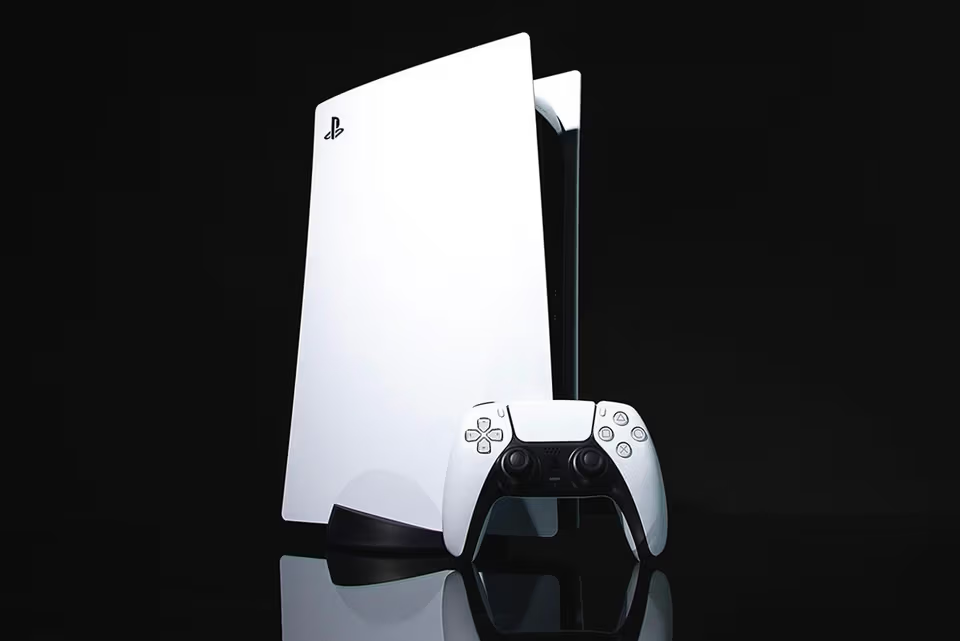
The digital-only future of gaming just got a lot closer — and a lot more worrying. Sony has confirmed that from January 2028 it will stop producing physical PlayStation discs, meaning every new PS5 game after that point will be a digital-only purchase. In the same breath, the company said it is beginning to wind down the digital stores for the PS3 and PS Vita, and that timing is no accident: it is a live demonstration of the single biggest flaw in a disc-free world. Once a storefront goes dark, the games sold there can go with it.
Neither move is a huge surprise. Players have overwhelmingly moved to digital buying — by Sony's own figures roughly 80% of PS5 games sold are digital downloads. The trend is industry-wide, too: Rockstar recently confirmed that the retail edition of Grand Theft Auto VI will ship as a download code in a box, with no disc inside at all.
Why players like digital (and where it bites back)
The appeal is obvious. Digital libraries let you pre-load releases, carry hundreds of titles on a single console, and jump on frequent storefront sales. For publishers, skipping disc manufacturing is simply cheaper and more profitable. But the convenience comes with strings attached — you can't resell a download, you can't lend it to a friend, and, most importantly, you never truly own a permanent copy you can fall back on.
The preservation problem
The quieter cost is historical. Preserving games is already hard thanks to fragile hardware and ever-changing formats. A widely cited 2023 study from the Video Game History Foundation found that around 87% of classic games — anything released before 2010 — were "critically endangered." That 2010 cutoff matters: it's roughly when digital storefronts took over, and researchers warned the problem would only accelerate as more of the medium moved online.
We've already seen dry runs. When Nintendo shut the Wii U and 3DS eShops, any title exclusive to those stores effectively became unplayable for anyone who hadn't already bought it. Buy a 3DS today and there's simply no legitimate way to get a store-only gem like BoxBoy. Until now that felt like a niche issue, because the pool of digital-only games was small. Once an entire platform is digital-only, every PlayStation game effectively ships with a hidden expiry date attached to the life of the store.
Stopgaps, not solutions
- Modern consoles increasingly let you carry a digital library across hardware generations — Xbox has pushed hardest here.
- On PC, GOG runs a dedicated program to keep older titles running on current machines.
- Fan and archivist projects fill some gaps, especially for mobile games that almost no one else preserves.
These efforts are genuinely valuable, but they all lean on the goodwill of the platform holder. The moment a company decides a store isn't worth running, or stops maintaining backward compatibility, those games slip out of legal reach again.
Physical media was never perfect — discs scratch, cartridges rot, and old hardware fails. But a disc puts a copy in your hands, not at the mercy of a server someone else can switch off.
For collectors, players, and the people trying to keep gaming history alive, 2028 is shaping up to be a turning point — and not the good kind.
Based on original reporting by Andrew Webster for The Verge. Adapted and written for Elixar by Jake Blake. Read the source article at theverge.com.